Less repetitive work
Identify recurring handoffs and automate the steps that have clear rules, owners and exception paths.

Independent design & technology studio


Bring cloud infrastructure, data and automation into a practical setup that supports your team and reduces avoidable manual work.
Discuss a project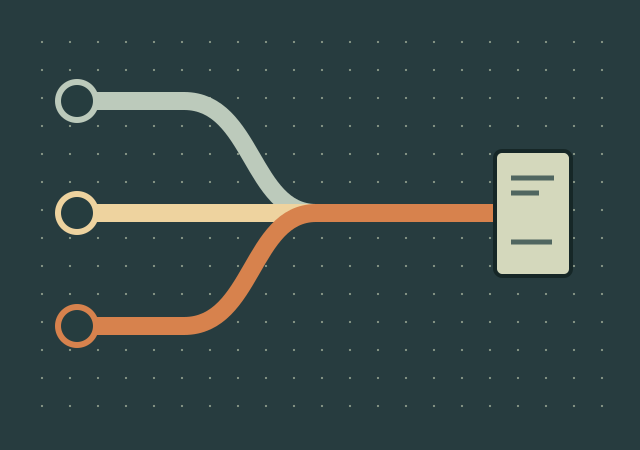
Information ends up in different places. Reports take too long to assemble. Important work depends on someone remembering the next step. We help you understand the connections, identify useful improvements and build a more manageable foundation for day-to-day operations.
Identify recurring handoffs and automate the steps that have clear rules, owners and exception paths.
Connect the data needed for decisions and make reporting definitions easier for your team to understand.
Document how systems are run, how issues are noticed and who is responsible when something needs attention.
We focus on the operational bottleneck first, then define the infrastructure, data or automation work needed to address it.
Hosting architecture, deployment workflows and operational setup shaped around the application, expected usage and available maintenance capacity.
Data-source mapping, connected reporting and shared metric definitions. A useful dashboard starts with understanding what the business needs to decide.
Rule-based connections between tools, with attention to approvals, exceptions and the person who will maintain each workflow.
Runbooks, access responsibilities and handover material that make the system easier to understand and manage.
Understand the existing setup, improve one meaningful flow and make the result manageable.
We review the tools, data flows and manual steps with the people doing the work. Dependencies and access requirements are identified before implementation.
We define the target flow, ownership and exceptions, then test the connection with representative data and scenarios.
We prepare the operational guidance and agree how the workflow will be monitored and maintained. Further improvements are prioritized from what the team learns.
We make the rules, failure cases and responsibilities visible. Data access and infrastructure decisions are discussed in the context of your requirements. A workflow is only useful if the team knows what it does and what to do when it needs attention.
Usually the first question is how well the existing tools connect. We assess the current setup and focus on the parts causing the most friction.
Look for a frequent, repetitive task with clear inputs and rules. Processes with unresolved exceptions or unclear ownership usually need clarification before automation.
We can include data-source mapping, reporting structure and dashboard implementation. Agreeing definitions and checking source quality are part of making the reports useful.
Access needs, data handling and any security or compliance requirements must be defined during scoping. We agree the permissions and responsibilities before connecting systems.